Guide · Notes
Non Slip Shoes for Restaurant Work: 2026 Buyer's Guide
Non slip shoes for restaurant work in 2026: SR vs SRO labels, fit for long shifts and a tread-wear clock that shows when to check your soles.
By the Waitstaff Shoes floor team · Updated · Desk research, not wear-tested
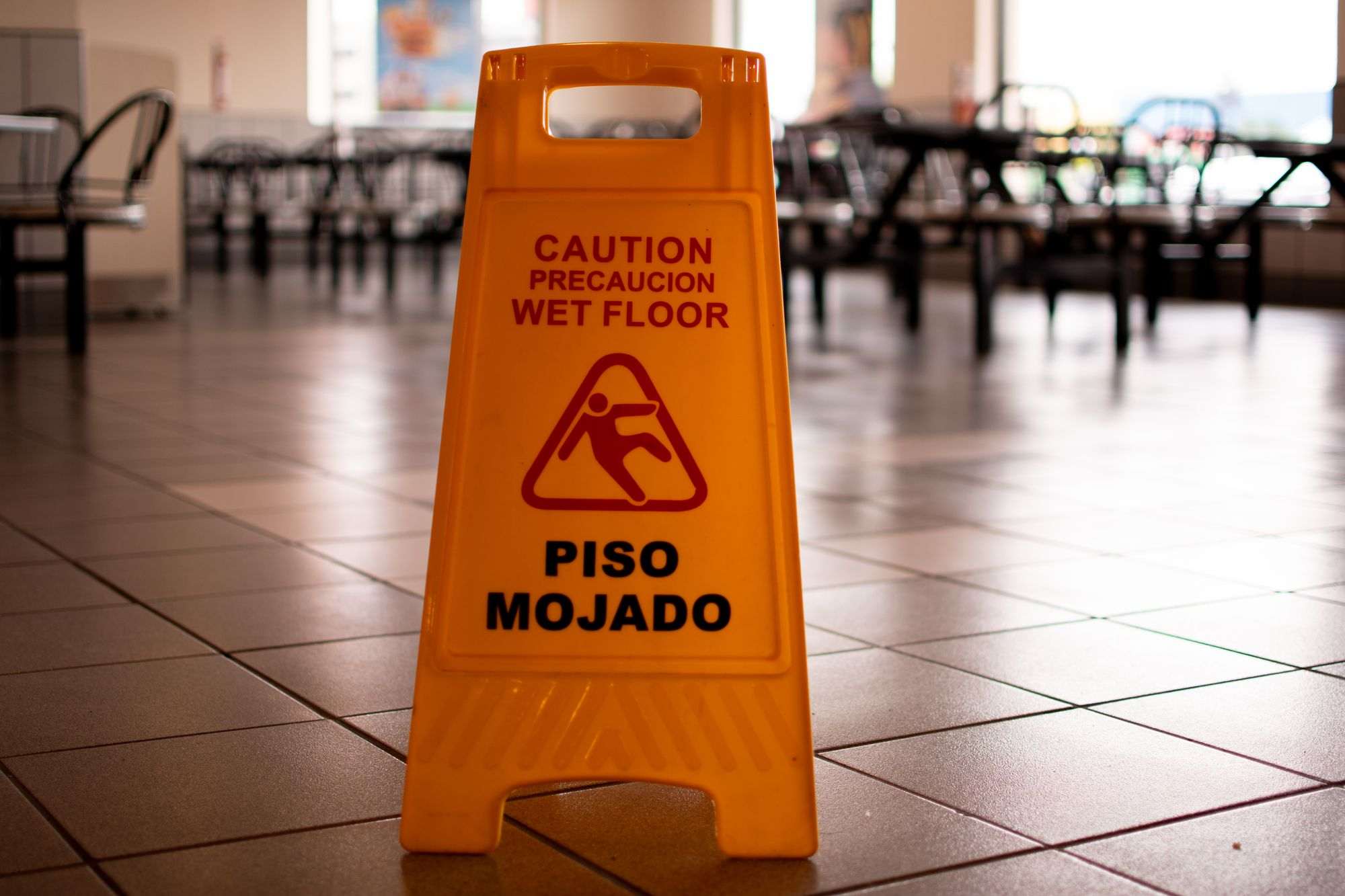
Photo: Jorge Romero via Pexels
Non slip shoes for restaurant work should do one job before anything else: keep you upright when the floor is wet or greasy. By the end of this guide you will know which label to look for, how to fit a pair for long hours and when the tread is too worn to trust.
We built a small calculator for that last part. It turns your miles per shift into weeks until your soles reach the wear levels measured in a real study of work shoes.
For front of house, buy non slip shoes for restaurant floors that carry an ASTM F3445 SR mark. For the kitchen, buy SRO, which adds an oily floor test. Fit them for long hours, rotate two pairs and check the tread often. Grip falls as the sole wears smooth.
What’s New for Restaurant Shoes in 2026
The U.S. label got clearer. SATRA reports that ASTM F3445 was revised in 2024. It now has an SR level for dry and wet floors and an SRO level that adds an oily test.
The old version covered only safety footwear. The new one covers all shoes, including non slip shoes for restaurant staff.
Big work-shoe brands now print the level. Shoes For Crews, for example, says all of its shoes are SRO-certified. Crocs lists its work clogs as “ASTM F3445-24 certified.” That makes side-by-side shopping much easier than it was a few years ago.
Step 1: Name Your Floor
Think about the worst floor you cross in a shift, not the average one. Good shoes for restaurant work are chosen for that floor.
- Dining room and bar: spilled water, ice and soda. Water is the main hazard.
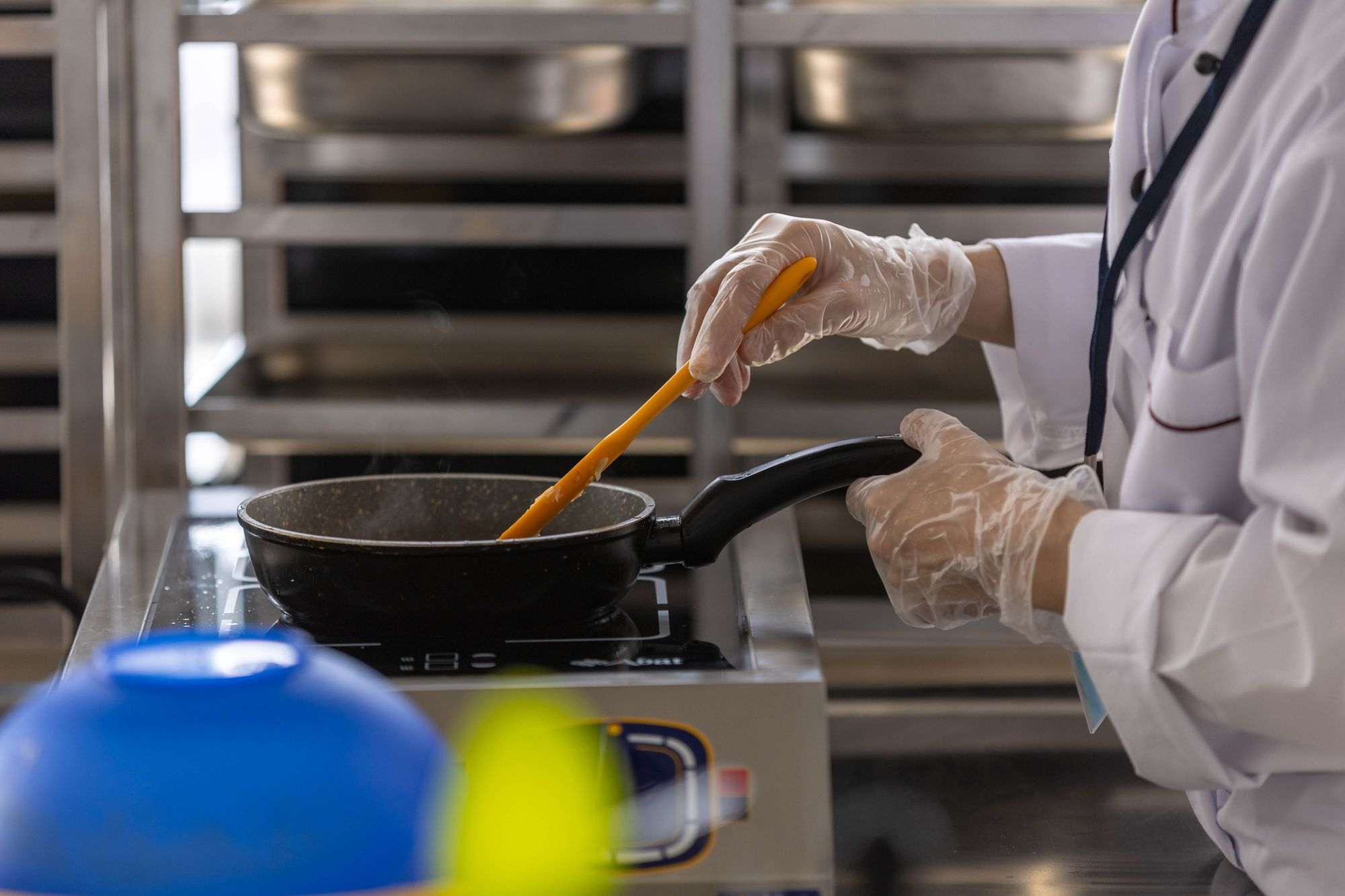
- Kitchen, line and dish: water plus fryer oil and grease. Oil is the hardest test.
- Both: if you run food through the kitchen, plan for the kitchen.
Shoes For Crews sums up the split. It calls SR best for “front-of-house” spaces “where water is the primary hazard,” and SRO best for kitchens “anywhere oil hits the floor.”
Step 2: Read the Label on Non Slip Shoes for Restaurant Use
Look for a named standard. Under ASTM F3445-24, SR means at least 0.40 friction on dry and wet tile. SRO keeps that and adds at least 0.33 on oily wet tile.
Be careful with softer wording on slip resistant shoes. “Tested to ASTM F2913” names the test but not the result. “Slip resistant” with no standard is a claim only. SATRA notes that U.S. makers do not have to meet a slip standard unless they claim one.
If a shoe is sold in Europe, you may see an EN ISO code. Since 2022, an SR code there means the shoe passed an extra glycerine test on ceramic tile.
Step 3: Fit for Long Hours
A shoe you hate is a shoe you stop wearing. The UK Health and Safety Executive makes the same point about work footwear.
- Arch support: look for a firm footbed or plan to add an insole.
- Toe room: your feet swell over a shift, so try shoes late in the day.
- Widths: some work trainers come in wide sizes. Check before you buy.
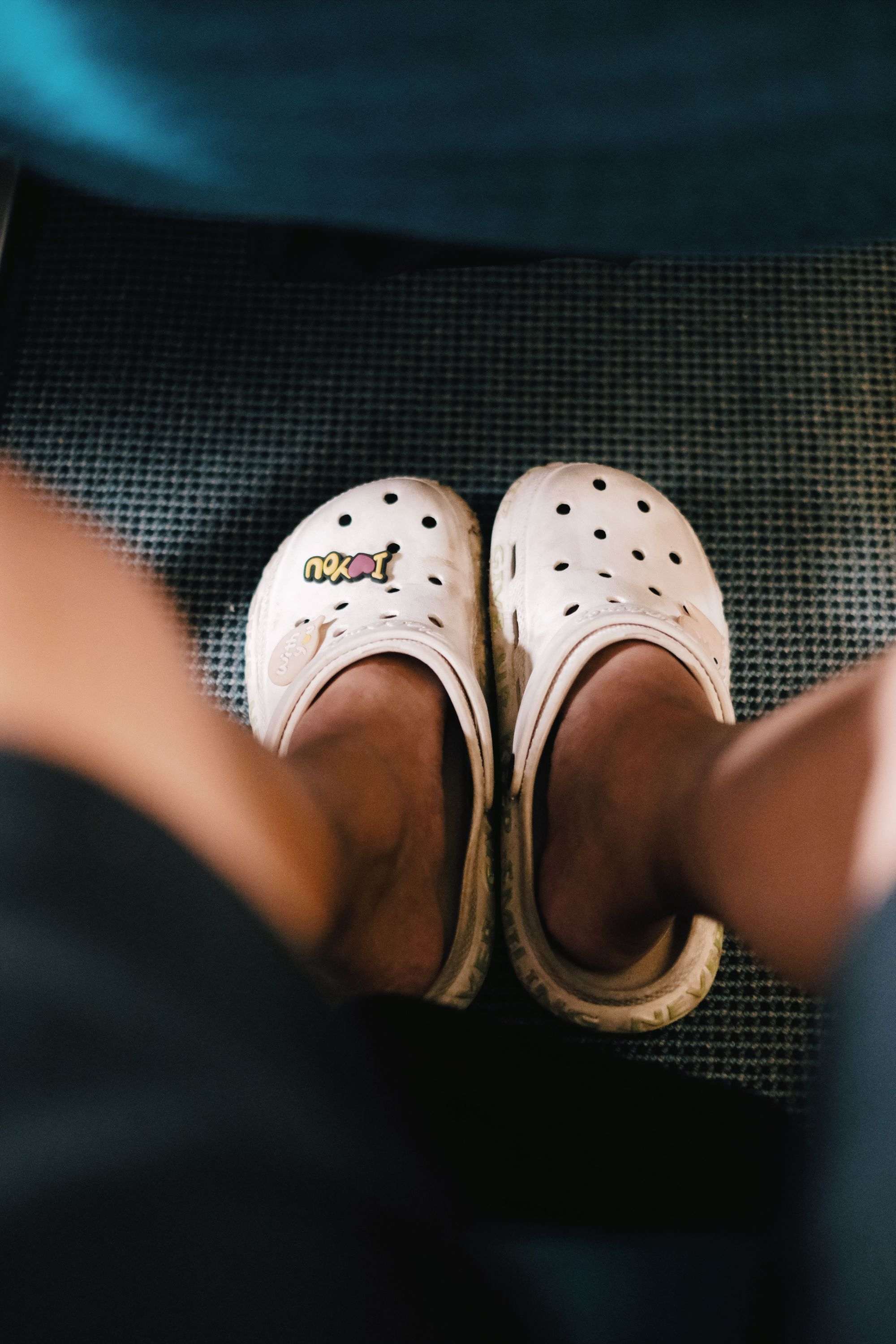
- Weight: clogs give support but feel heavy at a fast pace. Sneakers feel lighter. Pick what suits shoes for restaurant shifts that run long.
Restaurant workers on Reddit repeat one tip often: buy good insoles and move them to each new pair.
Step 4: Pick an Upper That Cleans
Spills will happen. A leather upper or a molded clog wipes clean, which is why it suits non slip shoes for restaurant kitchen floors. Canvas and mesh soak up liquid and stain. Most restaurant dress codes also ask for plain black, so check yours before you buy colors.
Step 5: Rotate and Replace
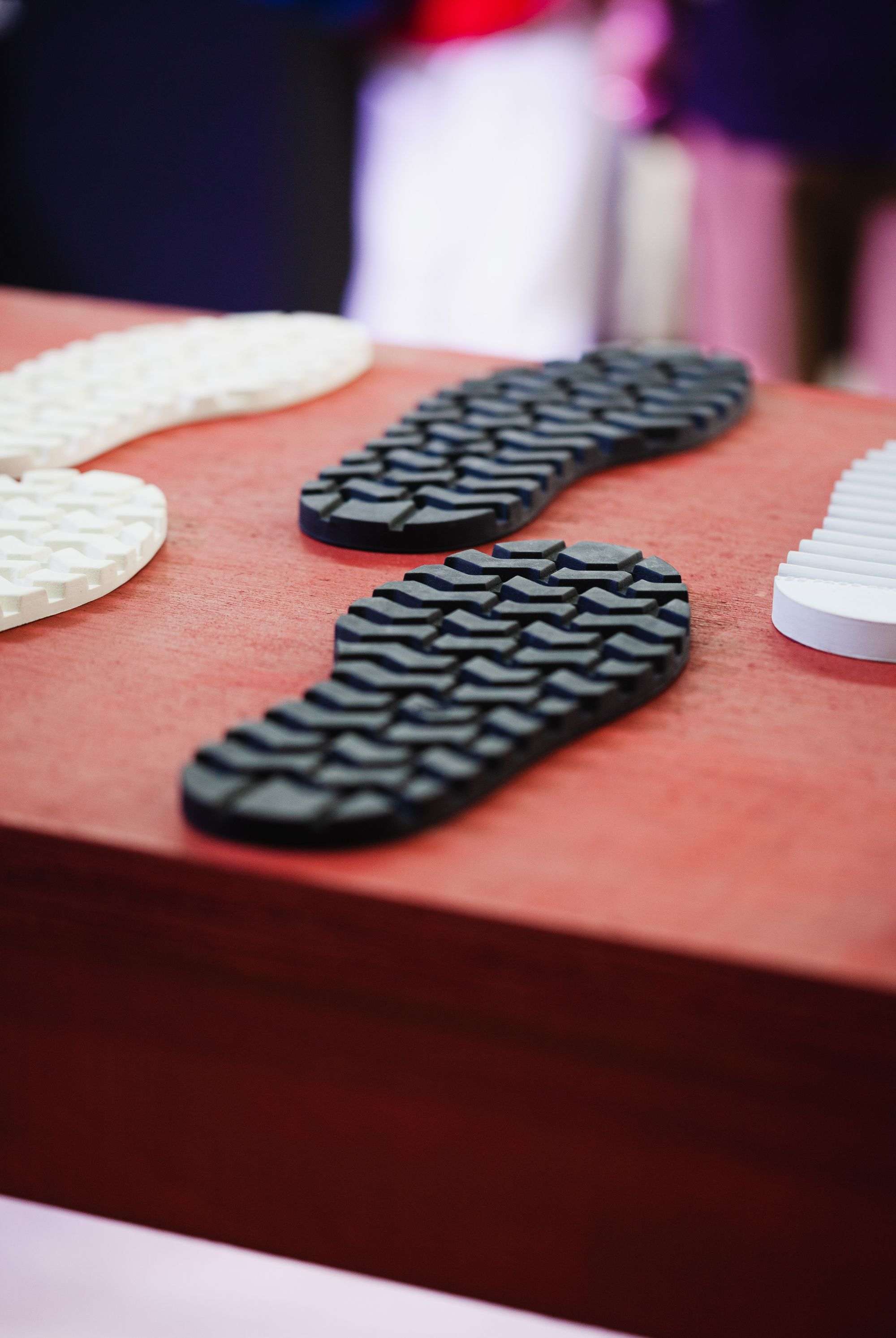
Every slip resistant rubber outsole wears down. A study of workers who wore two pairs of work shoes for up to 11 months found grip fell as a smooth patch grew on the sole. A worn patch of 800 square millimeters was tied to friction falling by 16% to 38%.
The study also linked wear to distance. About 3 months of wear matched 203 km, or about 126 miles. About 6 months matched 519 km, or about 322 miles.
Rotating two pairs splits those miles. One server on r/Serverlife wrote that rotating “gives the insoles time to fully bounce back.”
Tread-Wear Clock for Restaurant Shoes
Enter your own numbers to see how fast your non slip shoes for restaurant shifts wear. Tip’d, a server tip-tracking app, says a server “walks four to six miles a shift on tile,” so we set the default at 5.
With the defaults, one pair worn five shifts a week covers 25 miles a week. It reaches the study’s 126-mile mark in about 5 weeks and the 322-mile mark in about 13 weeks. Two pairs in rotation stretch that to about 10 and 26 weeks per pair.
That is faster than many people expect. It does not mean you must toss your shoes at week 13. It means you should flip them over and look for smooth patches well before the end of a season.
Why Non Slip Shoes for Restaurant Staff Matter
The best proof comes from NIOSH. In a trial with about 17,000 food service workers in 226 school districts, districts that got free, highly rated slip-resistant shoes cut slip injury claims by 67%. The group that bought its own shoes saw no decline.
The same study found workers over 55 had a higher rate of slip claims before the program, at 4.2 per 10,000 worker months compared with 2.3 for younger workers. Good non-slip shoes help everyone, but they matter most for older staff.
Some employers help pay. One r/Waiters commenter wrote that their work “gets a free pair every year of up to $55” through a Shoes For Crews program. Ask your manager before you buy.
For the test numbers behind each label, read what makes shoes slip resistant. For named pairs, see our best shoes for bartenders and the Crocs On The Clock review.
Verdict: Buy Non Slip Shoes for Restaurant Floors by the Label
The best non slip shoes for restaurant work carry a named standard: SR for the dining room, SRO for the kitchen. Fit them for your shift, choose an upper that wipes clean and rotate two pairs. Then use the tread-wear clock and check your soles, because a worn pair loses the grip you paid for.
Sources
- SATRA: Updates to US slip resistance standards
- Shoes For Crews: Footwear testing for slip resistance
- Crocs: On The Clock Work Slip-On
- NIOSH: Slip-resistant footwear in food service
- PMC: Shoe tread wear and traction performance study
- UK Slip Resistance: Changes to the EN ISO 20345 standard
- Tip’d: Best shoes for servers
- Reddit: r/Serverlife: how long do your shoes last, r/Waiters: best non slip sneakers
Questions people ask
Do restaurants require non slip shoes?
Many do, especially for kitchen staff, and some set it in the dress code for [servers](/picks/best-shoes-for-servers/) too. Rules vary by employer, so ask your manager. Even when it is not required, slip-resistant shoes are worth it. NIOSH found a 67% drop in slip injury claims when food service workers got highly rated pairs.
What is the difference between SR and SRO?
Both come from ASTM F3445-24. SR means the shoe reached at least 0.40 friction on dry and wet quarry tile. SRO adds an oily wet tile test with a 0.33 pass mark. Choose SR for dining rooms and bars, and SRO for kitchens where oil reaches the floor.
How long do non slip shoes last in a restaurant?
Owners on Reddit report about four months to three years, depending on the brand and hours. A study of work shoes linked about six months of wear to 519 km of walking. Use our tread-wear clock as a reminder, and replace shoes once a smooth patch forms under the ball or heel.
Are non slip shoes worth it for front of house?
Yes. Dining rooms see spilled drinks, ice and mop water, and you walk fast while carrying plates. An SR-rated shoe is built for exactly that. These shoes for restaurant floors cost little more than a regular sneaker, and many styles look like normal black trainers, so they still fit a smart dress code.
Can I wear sneakers in a restaurant kitchen?
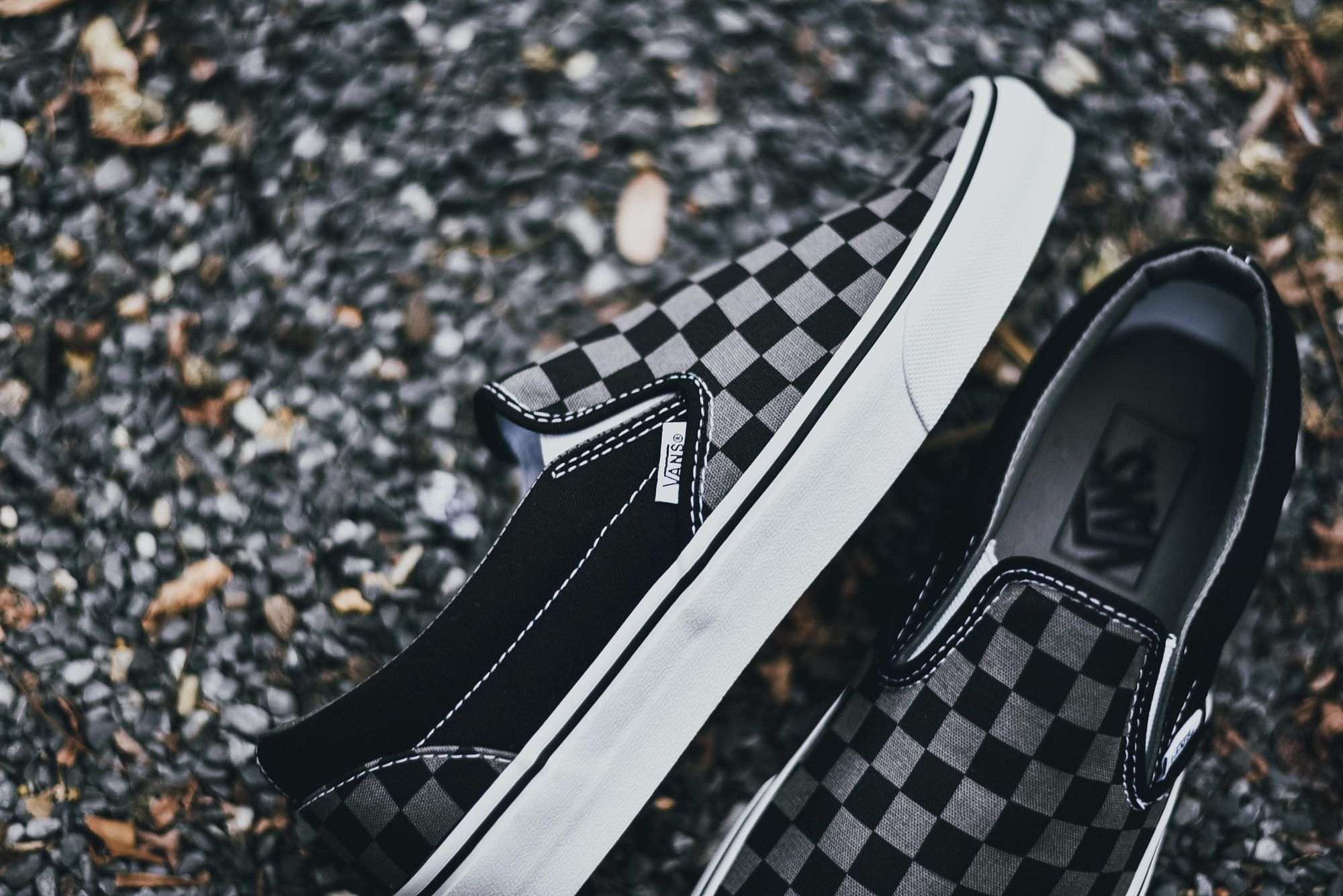
Regular sneakers are risky on oily kitchen floors because their soles are made for roads, not grease. Some brands sell sneaker-style work shoes with SRO-rated soles, which give you the look with real grip. Check the label for ASTM F3445 SRO before you wear any sneaker on the line.