Guide · Picks
Chef Shoes (2026): How to Pick a Pair That Grips Grease
How to pick chef shoes in 2026: clogs vs kitchen sneakers, the slip labels on Birkenstock, Dansko and Crocs, prices and what cooks report.
By the Waitstaff Shoes floor team · Updated · Desk research, not wear-tested
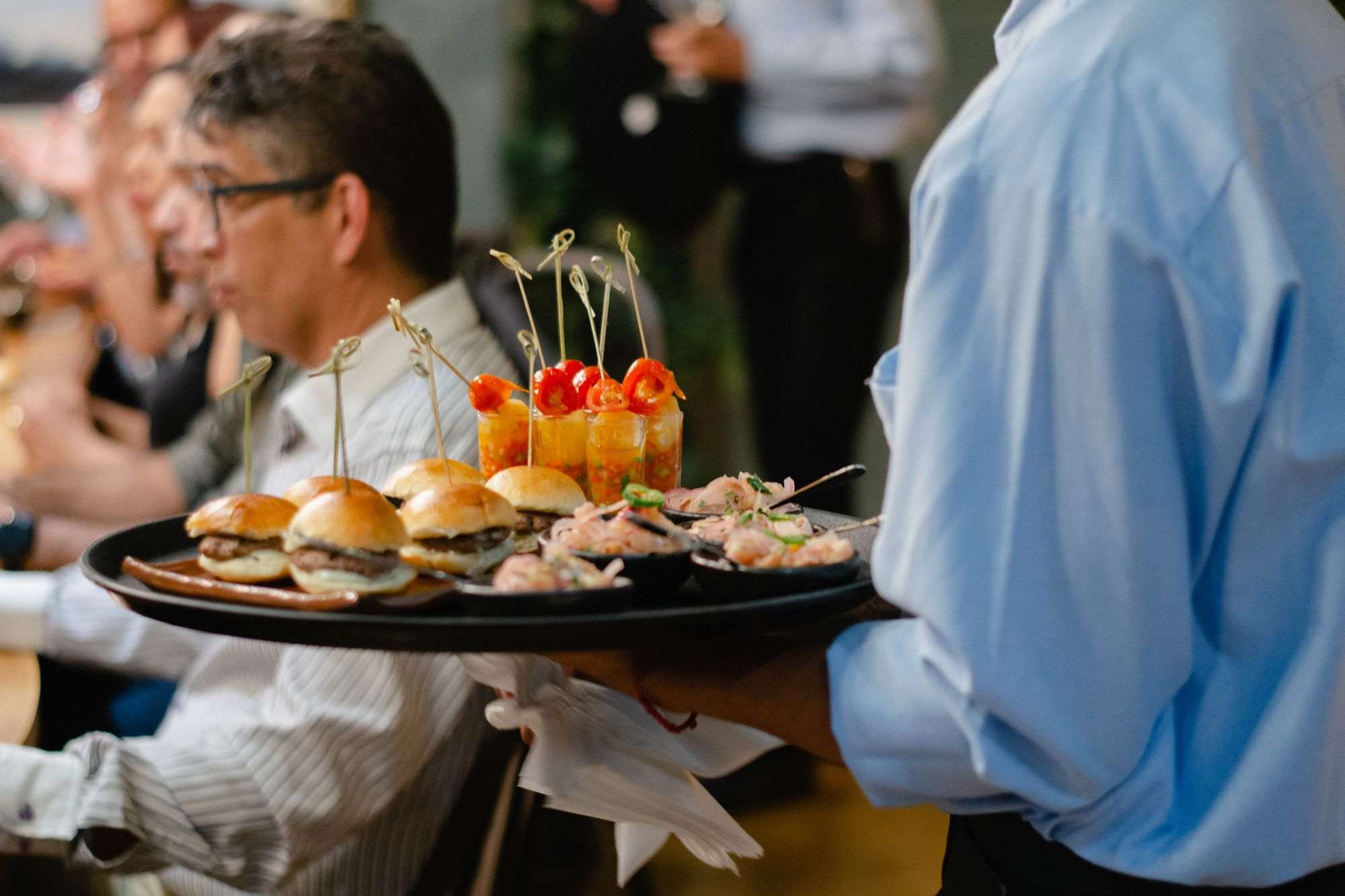
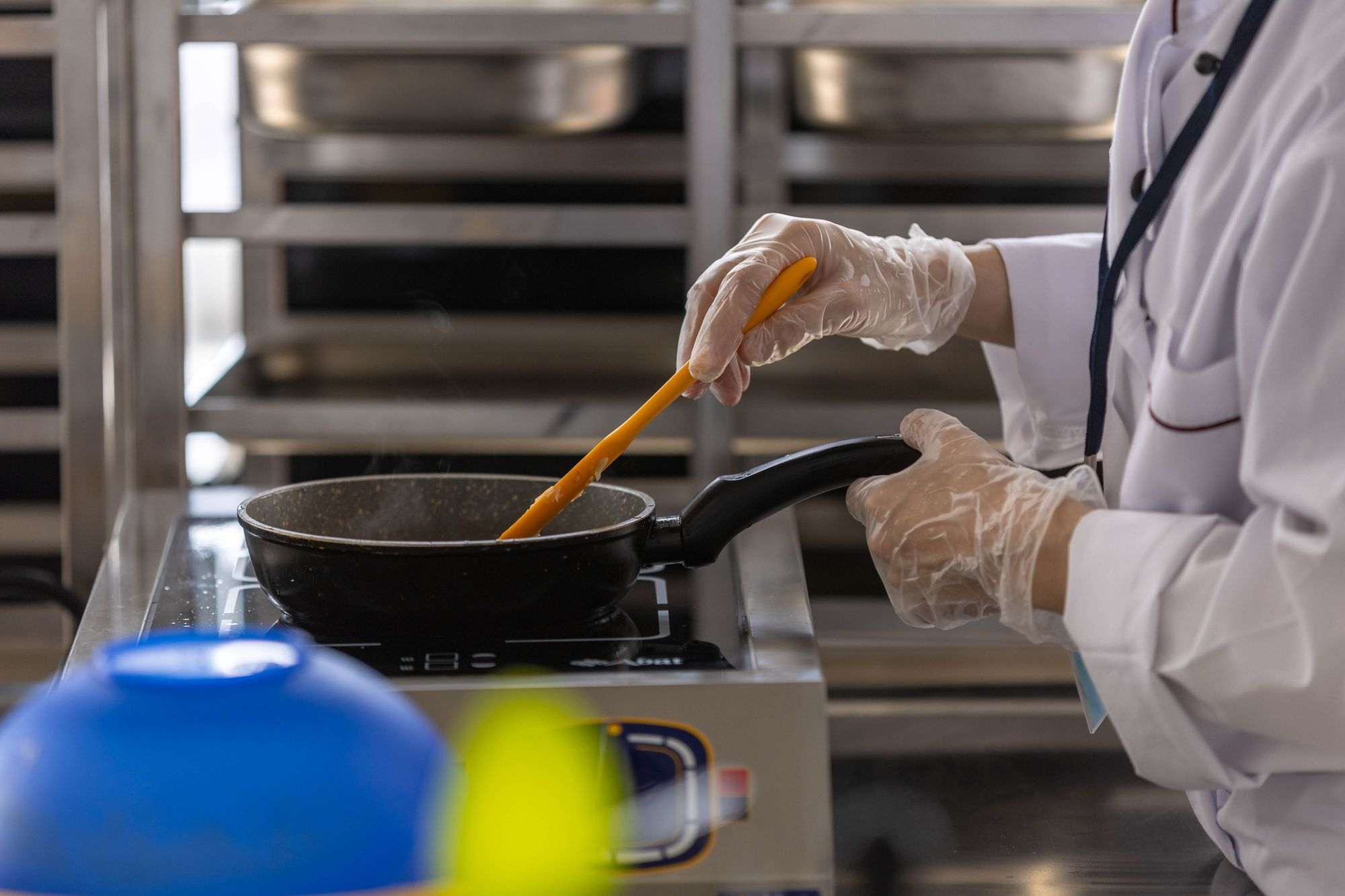
Photo: Sergei Starostin via Pexels
Chef shoes have a harder job than any other work shoe. They stand on tile for 10 hours or more, they meet fryer oil and standing water, and they need to come off fast if hot liquid spills inside. This guide walks you through picking chef shoes that handle all of that.
We checked the slip labels on the best-known kitchen shoes and read what cooks say about them in two busy Reddit communities.
The best chef shoes carry a named slip rating for oily floors, such as ASTM F3445 SRO or the EU SR code. Pick a closed toe, a wipe-clean upper and no fabric. Clogs give support and kick off fast after a spill. Sneaker-style kitchen shoes feel lighter. Always check the label, not the name.
What’s New for Chef Shoes in 2026
Two rule changes affect kitchen shoes. In the U.S., SATRA reports that ASTM F3445 gained an SRO level in 2024 for oily wet floors, with a 0.33 pass mark. In Europe, the 2022 versions of EN ISO 20347 replaced the old SRA, SRB and SRC codes with one SR code.
That means older and newer versions of the same chef clog can carry different codes. It is worth reading the current listing before you reorder a favorite.
Step 1: Choose Clogs or Kitchen Sneakers
Both work. They suit different cooks.
- Clogs: firm support, a closed toe and often a backless heel. One cook in r/KitchenConfidential liked Dansko clogs because they are “backless so you can kick them off quickly (in case you dump hot water in your shoes).”
- Kitchen sneakers: lighter and quicker on stairs. Look for a leather upper that is easy to clean. Mozo, for example, calls itself a footwear brand for culinary professionals.
A cook in another thread gave a simple rule: “If you are in the food prep side and not on the food running side stay away from anything fabric or with laces.”
Step 2: Read the Slip Label on Chef Shoes
This step matters most, because slip resistant chef shoes from the same brand can carry very different labels.
| Kitchen shoe | Label we found | What it means |
|---|---|---|
| Birkenstock Profi-Birki 2.0 | EN ISO 20347:2022 O4 SR FO | Passed the 2022 EU glycerine slip test |
| Birkenstock Super-Birki 2.0 | EN ISO 20347:2012 OB E (UK seller) | No slip code shown in that listing |
| Crocs Bistro Pro LiteRide | ASTM F2913-24 tested, F3445-24 certified | Passed at least the U.S. SR level |
| Shoes For Crews (all styles) | ASTM F3445-24 SRO | Passed the oily floor test |
| Dansko Professional | Slip tests "carried out by SATRA" | Lab named, no class shown |
The Super Birki result surprised us. It is one of the most famous chef clogs, and Serious Eats lists it as a favorite. Yet UK seller Oliver Harvey lists the 2.0 version as “EN ISO 20347:2012 OB E Certified,” with no SRA, SRB or SRC code. Birkenstock’s own Profi-Birki 2.0 page shows a full SR code. If slip rating is your top need, the Profi-Birki has the clearer label.
Step 3: Match the Shoe to Your Station
- Fry and grill: oil is everywhere. Pick a slip resistant SRO shoe with a closed upper that is easy to clean.
- Dish pit: standing water. One cook said Birkenstock clogs are “not good if you have a lot of stairs or standing water.”
- Pastry and prep: fewer spills, more standing. Support may matter more than grip.
- Line plus stairs: a laced kitchen shoe or boot keeps your heel locked in.
Step 4: Fit for Long Hours
A professional kitchen means a full shift on hard tile, so good chef shoes need support. Most chef clogs are made to let your heel lift slightly. The Dansko seller page says, “Your heel should lift up and down with every step,” and suggests sizing up if you are between sizes.
Look for a removable footbed with real arch support. Birkenstock’s Super Birki has a replaceable cork footbed, according to Oliver Harvey. That lets you refresh the support without buying new shoes.
Step 5: Know What You Will Pay
Prices vary by model and seller. Here are listed prices we found.
- Birkenstock Super Birki: $82 on Birkenstock’s U.S. site
- Birkenstock Profi-Birki: $93 on Birkenstock’s U.S. site
- Birkenstock A640 Steel Toe: $112.95
- Dansko Professional: $120 to $145, per Michigan Foot Doctors
- Crocs Bistro Pro LiteRide: $59.99 at Zappos
- Birkenstock Boston Super Grip: $159.95 at Fiumara Culinary
What Cooks Say About Chef Shoes
Reddit cooks are loyal and blunt. A top comment in r/Chefit said Shoes For Crews are “my go to” and last “a solid 2yrs before they need replacing.” Another cook replied that SFC “be lasting 3mo tops.”
Crocs Bistro clogs get strong love and strong hate. One cook wrote, “croc bistros are life.” Another found the non-pro Bistro “worn out after 3-4 months.” A third said, “They make my feet stink so bad.”
Leather Birkenstock Bostons with the Super Grip sole come up often. Two cooks in r/KitchenConfidential told buyers to get the German-made leather version, not the rubber one.
One tip appeared in almost every thread: “get two pairs and alternate!”
Why Slip-Rated Chef Shoes Pay Off
NIOSH tested slip-resistant shoes with about 17,000 food service workers. Districts that got free, highly rated pairs cut slip injury claims by 67%. Kitchens are where those slips happen most, so a rated chef shoe is a safety tool, not a style choice.
For front-of-house picks, see our best shoes for servers and best shoes for bartenders.
Verdict: Chef Shoes Should Prove Their Grip
The best chef shoes name their slip rating, close around your toes and wipe clean in seconds. Clogs suit cooks who stand still and need to kick off a soaked shoe. Kitchen sneakers suit cooks who move fast. Check the current label, since even famous chef clogs can differ, and replace any pair once the tread goes smooth.
Sources
- SATRA: Updates to US slip resistance standards
- UK Slip Resistance: Changes to the EN ISO 20345 standard
- Birkenstock: Profi-Birki 2.0; Professional clogs (U.S.)
- Oliver Harvey: Chef shoes
- Dansko Professional seller page: Floccos
- Serious Eats: Best kitchen shoes
- Fiumara Culinary: Footwear
- NIOSH: Slip-resistant footwear in food service
- Reddit: r/KitchenConfidential: best kitchen shoes or clogs, r/KitchenConfidential: best shoes for working in kitchen, r/Chefit: Crocs Bistro
Questions people ask
What shoes do chefs wear?
Most chefs wear clogs, such as Birkenstock, Dansko or Crocs work clogs, or slip-resistant kitchen sneakers from brands like Shoes For Crews and Mozo. Cooks on Reddit mention Birkenstock, Crocs and Shoes For Crews most often. The key is a closed, wipe-clean upper and a sole with a named slip rating for oily floors.
Are clogs or sneakers better for chefs?
Clogs give firm support and slip off fast if hot liquid spills inside. Sneakers feel lighter and lock your heel in on stairs. Choose by station. A cook who stands at one station all shift often prefers clogs, while a cook who runs stairs or walk-ins may want laced kitchen shoes.
Is the Super-Birki slip resistant?
Birkenstock sells it as a kitchen clog, and many chefs like it. However, one UK seller lists the Super-Birki 2.0 as EN ISO 20347:2012 OB E, with no slip code in that listing. The Profi-Birki 2.0 shows a full 2022 SR code, so pick it if a printed slip rating matters most.
Why do chefs wear backless clogs?
Backless clogs come off in a second. Cooks say that matters if boiling water or hot oil spills into a shoe. They also have no laces to soak up grease. The trade-off is less heel lock, so some cooks switch to laced shoes or boots for kitchens with stairs.
How long do chef shoes last?
Owner reports range from about three months to two years, depending on the brand and the kitchen. Grip fades as the [tread](/notes/non-slip-shoes-for-restaurant/) wears flat, so check the heel and ball for smooth patches. Rotating two pairs lets each dry out and can stretch the life of both.