Explainer · Notes
What Makes Shoes Slip Resistant? (2026 Pass Marks Explained)
What makes shoes slip resistant: rubber, tread drainage and the 2026 pass marks for ASTM F3445 and EN ISO, plus how wear cuts grip.
By the Waitstaff Shoes floor team · Updated · Desk research, not wear-tested
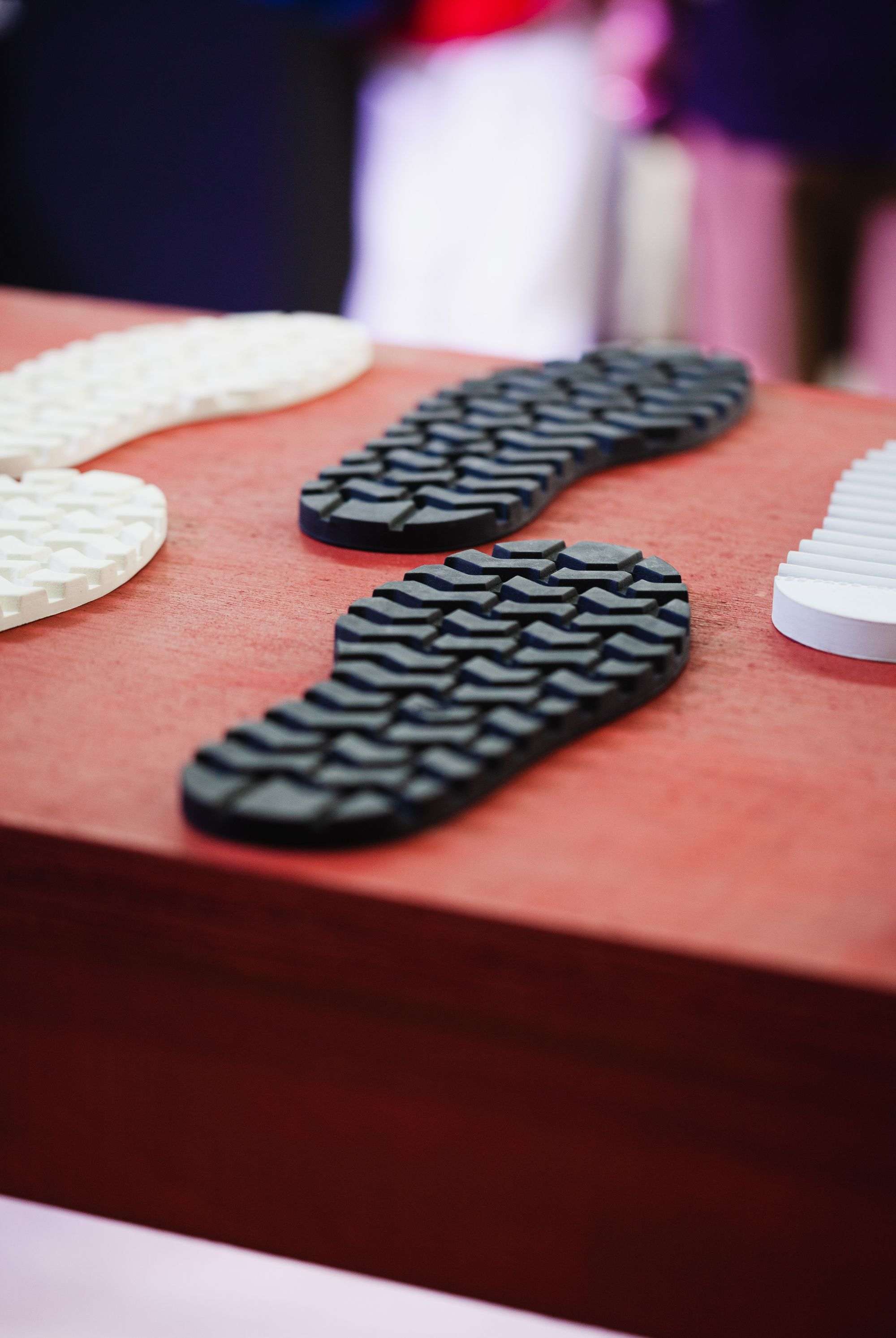
Photo: Deybson Mallony via Pexels
What makes shoes slip resistant is a mix of three things: a soft rubber compound, a tread that drains liquid, and a lab result that proves both work on a slick floor. The word “non-slip” on a box does not prove any of that. Only a named test and a pass mark do.
This guide explains how a sole grips, what the lab numbers mean in the U.S. and Europe, and why every slip-resistant shoe loses grip as it wears.
Slip-resistant shoes grip because a soft rubber sole with small, close tread blocks pushes liquid out from under your foot. Labs prove it with a coefficient of friction test. In the U.S., ASTM F3445 sets a 0.40 pass mark on wet tile and 0.33 on oily tile. Grip drops as the tread wears flat.
What’s New in Slip Resistance for 2026
Both main rulebooks changed recently. In the U.S., SATRA reports that ASTM F2913 and ASTM F3445 were updated in 2024. F3445 now has two levels, SR and SRO, and it covers all footwear, not just safety boots.
In Europe, the 2022 versions of EN ISO 20345 and EN ISO 20347 dropped the old SRA, SRB and SRC codes. A single SR code now means the shoe passed an extra test on ceramic tile with glycerine. So a shoe labeled under the old rules and one labeled under the new rules are not directly comparable.
What Makes Shoes Slip Resistant on a Wet Floor
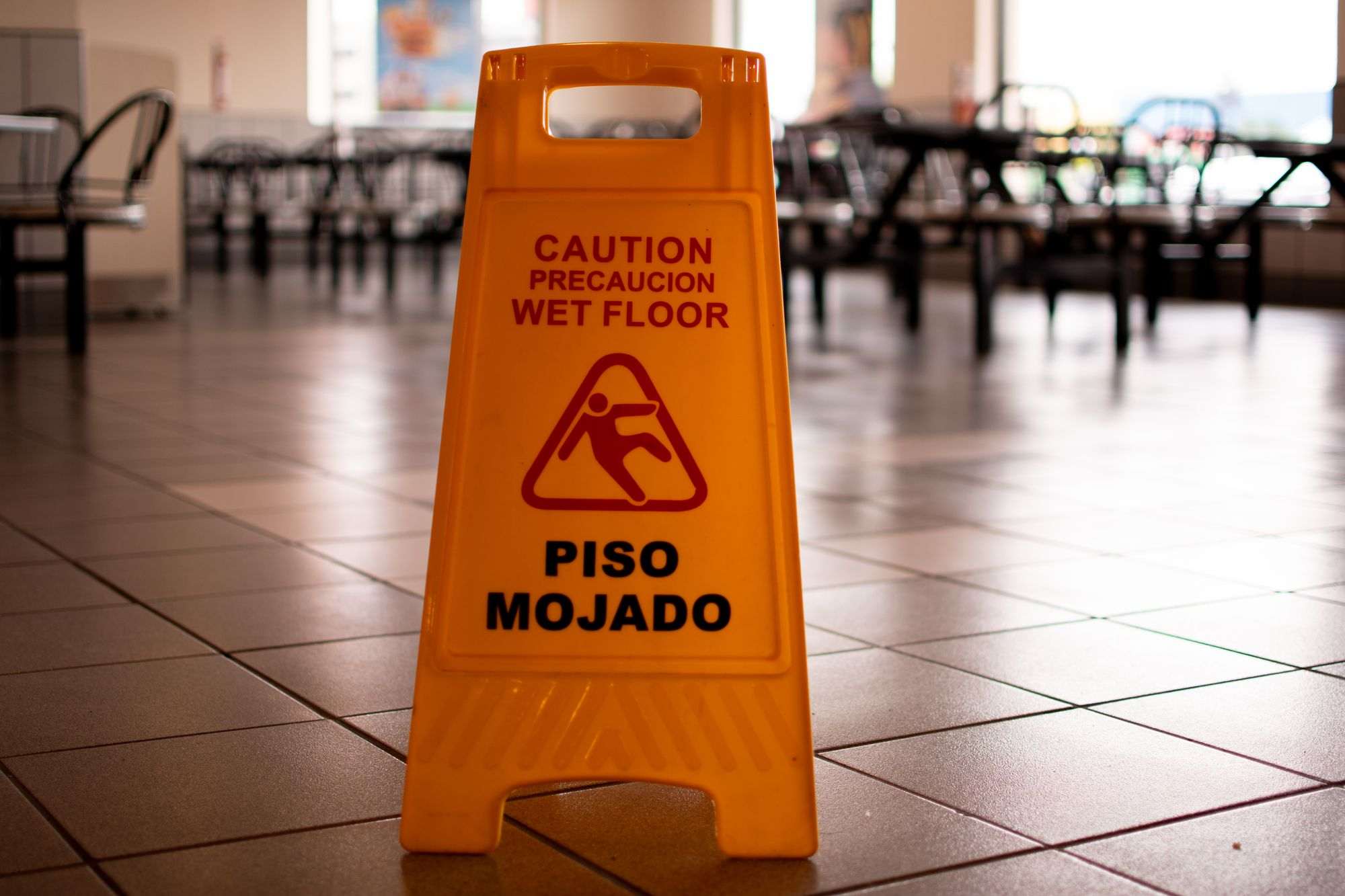
A dry floor is easy. Almost any shoe grips it, which is why dry grip says little about what makes shoes slip resistant. Trouble starts when water or oil gets between the shoe sole and the tile.
That liquid acts like a thin cushion. A shoe-wear study from a university slip lab compares it to a tire hydroplaning on a wet road. If the liquid cannot escape, pressure builds under the shoe and friction falls.
Slip resistant shoes fight that in two ways.
- Tread pattern: small, evenly spaced tread blocks with a tread groove between each one. The grooves give liquid a path out. The same study says this design is common on slip resistant work shoes and lowers slip risk.
- Rubber compound: a softer sole flexes into the tiny texture of the floor. The UK Health and Safety Executive (HSE) says a softer sole with a close-packed tread pattern generally works well with liquids and indoor floors.
An open, deep tread works better outdoors or on solid mess like food scraps. HSE notes that sticky food spills can clog the cleats of a sole that grips well in water.
The Pass Marks, Side by Side
Labs measure grip as a coefficient of friction. It is the force needed to slide the shoe divided by the force pressing it down. Higher is grippier. Here is what each label requires.
| Label | Test floor and liquid | Pass mark |
|---|---|---|
| ASTM F3445-24 SR (U.S.) | Quarry tile, dry and wet | At least 0.40 |
| ASTM F3445-24 SRO (U.S.) | SR tests plus oily wet quarry tile | 0.40 dry and wet, 0.33 oily |
| EN ISO 20345/20347:2022 basic (EU) | Eurotile 2 with soapy water | 0.31 heel, 0.36 forepart |
| EN ISO 2022 SR (EU, optional) | Eurotile 2 with glycerine | 0.19 heel, 0.22 forepart |
| Old EU SRA, SRB, SRC (pre-2022) | Tile with soap, steel with glycerine, or both | Replaced by the 2022 SR code |
The numbers are not comparable across rows because the floors and liquids differ. Glycerine is far slicker than soapy water, so its pass mark is lower. Within one standard, though, a higher reading means better grip.
Two details matter for buyers. First, the U.S. test uses a whole shoe, not a swatch of rubber. Shoes For Crews explains that the finished shoe is clamped to a rig, pressed down and dragged across a coated floor. Second, F3445 tests both the heel strike and the forepart, the two moments when most slips start.
Tested, Certified or Just Claimed
This is where shoppers of non-slip shoes get misled. Look at the exact wording on the box.
- “Tested to ASTM F2913” means a lab ran the friction method. It does not tell you the result.
- “ASTM F3445 certified” with SR or SRO means the shoe reached a pass mark. SRO is the one to want around fryer oil.
- An EU code such as SR means it passed the 2022 glycerine test.
- “Slip resistant” with no standard is only a claim. It does not tell you a slip resistant shoe passed anything.
SATRA points out that slip resistance is not required for U.S. work footwear unless the maker claims it. The Irish Health and Safety Authority cites an older UK study that found “No indication of slip resistance was given for 47% of footwear products.” The same study warned that terms like “anti-slip” can often mislead customers.
Why Slip Resistant Shoes Stop Gripping
Every sole wears down, and grip goes with it. A study of workers who wore two pairs of shoes on the job for up to 11 months measured this month by month.
As the tread blocks wore away, a smooth patch formed under the ball or heel. The researchers called it the worn region, and they measured its region size in square millimeters. A worn patch of 800 square millimeters was linked to friction falling by 16% to 38%. It also raised the trapped liquid force under the shoe by 286% to 528%.
The study also tied wear to time and distance.
| Wear point | Distance walked | Worn patch size |
|---|---|---|
| About 3 months | 203 km (about 126 miles) | 251 square mm |
| About 6 months | 519 km (about 322 miles) | 462 square mm |
| Any time | 500 km (about 311 miles) | 406 square mm |
The authors argued that the size of the worn patch is the best sign of when to replace a shoe. Walking speed, body weight and floors all change how fast a sole wears. HSE gives the same advice in plainer words: have a system for checking and replacing footwear “before it becomes worn and dangerous.”
Does Slip Resistance Work Outside the Lab?
Yes, and there is strong field proof that fewer slips and falls follow. NIOSH ran a trial with about 17,000 food service workers in 226 school districts. Districts that got free, highly rated slip-resistant shoes saw slip injury claims fall by 67%. Claims dropped from 3.54 to 1.18 per 10,000 months worked. The group that bought its own shoes saw no decline.
That result shows what makes shoes slip resistant in practice: a real pass mark lowers fall risk. It is also why fit and comfort matter. HSE warns that workers may not wear footwear if it is uncomfortable, “no matter how effective it is.”
How to Check Your Own Shoes
You do not need a lab to spot a worn sole.
- Flip the shoe and look under the ball of the foot and the heel.
- Look for a smooth, shiny patch where the tread channels have vanished.
- Pick out packed food or grease from the grooves. A clogged tread acts like a flat one.
- Replace the pair when the smooth patch spreads, even if the upper looks new.
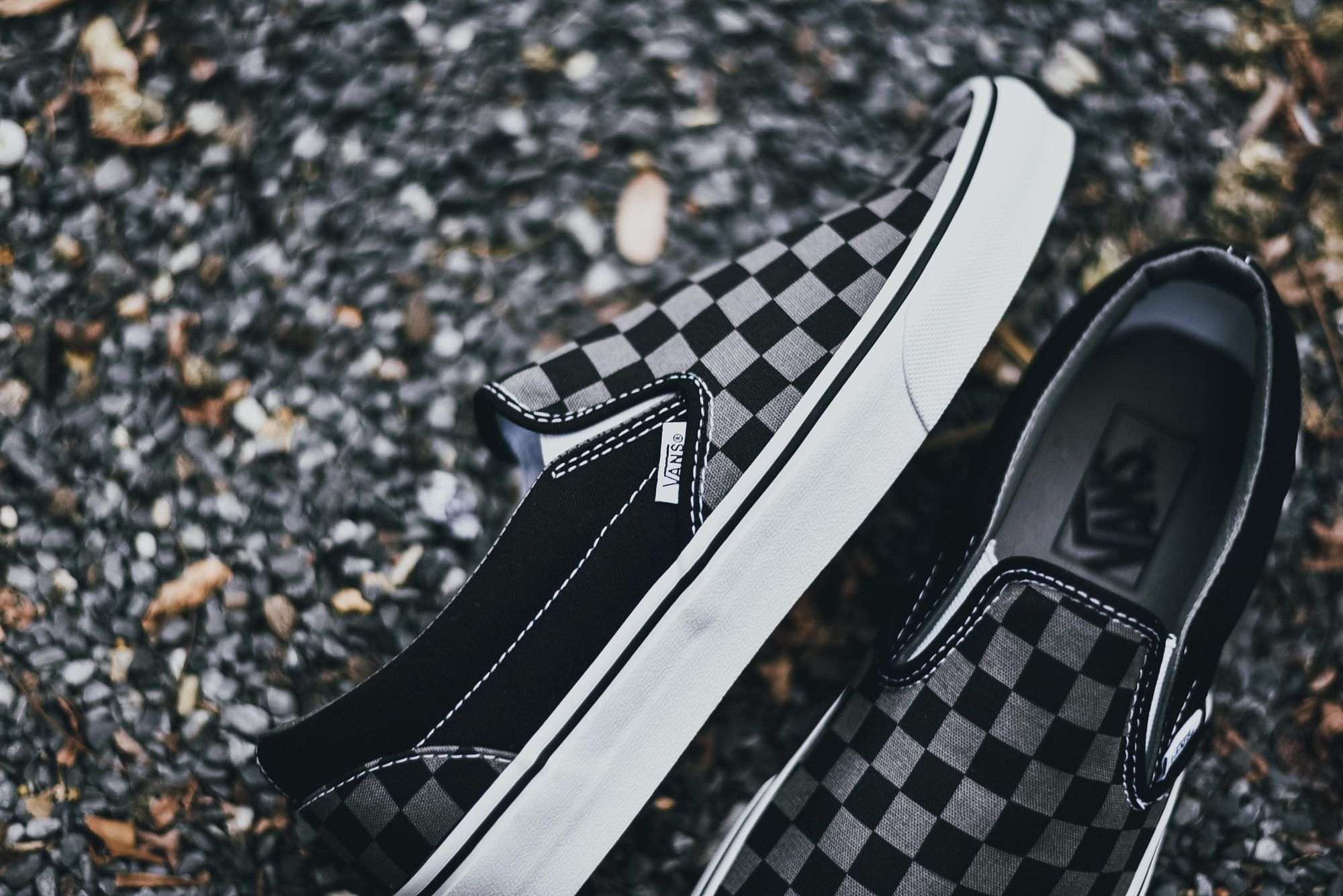
To put these pass marks to work, see our best shoes for servers, our chef shoes guide and whether Vans are non slip.
Verdict: What Makes Shoes Slip Resistant Is Proof, Not a Label
What makes shoes slip resistant is soft rubber, a draining tread and a passed test you can name. Shoes slip resistant in name only are a gamble. Look for ASTM F3445 SR or SRO, or the EU SR code, and treat bare “non-slip” claims with doubt. Then watch the tread, because grip fades as the sole wears flat.
Sources
- SATRA: Updates to US slip resistance standards; SATRA TM144 test method
- Shoes For Crews: Footwear testing for slip resistance
- UK Slip Resistance: Changes to the EN ISO 20345 standard
- uvex: EN ISO 20345 changes in 2022
- HSE: Slip-resistant footwear
- Health and Safety Authority: Footwear to prevent slips
- PMC: Shoe tread wear and traction performance study
- NIOSH: Slip-resistant footwear in food service
Questions people ask
What makes a shoe non slip?
A soft rubber outsole with small, close tread blocks and channels between them. The channels push liquid out so the rubber touches the floor. True slip-resistant shoes also pass a lab friction test, such as ASTM F3445 in the U.S. or the EN ISO SR test in Europe. Check the label for the named standard.
Is rubber or foam more slip resistant?
Rubber usually grips better on wet floors because it is soft and tacky. Many cushioned shoes use foam midsoles with a rubber outsole underneath. What touches the floor is what counts. HSE says a softer sole with a close tread suits liquids indoors, while open treads suit outdoor or solid mess.
What coefficient of friction is slip resistant?
Under ASTM F3445-24, a shoe needs at least 0.40 on dry and wet quarry tile to earn SR. The SRO level adds 0.33 on oily wet tile. EU tests use different floors and liquids, so their numbers, such as 0.19 on glycerine, cannot be compared directly with U.S. figures.
Do slip resistant shoes wear out?
Yes. In one study of workers' shoes, about six months of wear and 519 km of walking left a worn patch of 462 square mm. A larger patch of 800 square mm cut friction by 16% to 38%. Check the ball and heel monthly and replace shoes once a smooth patch forms.
Can you make regular shoes slip resistant?
Grip pads, sprays and scuffing can add a little traction for a short time. They cannot give a sole the drainage channels and rubber of a certified shoe, and they wear off fast. For a [restaurant](/notes/non-slip-shoes-for-restaurant/) or kitchen floor, a shoe that passed a named test is the safer choice.